1. The morning when the destination becomes real
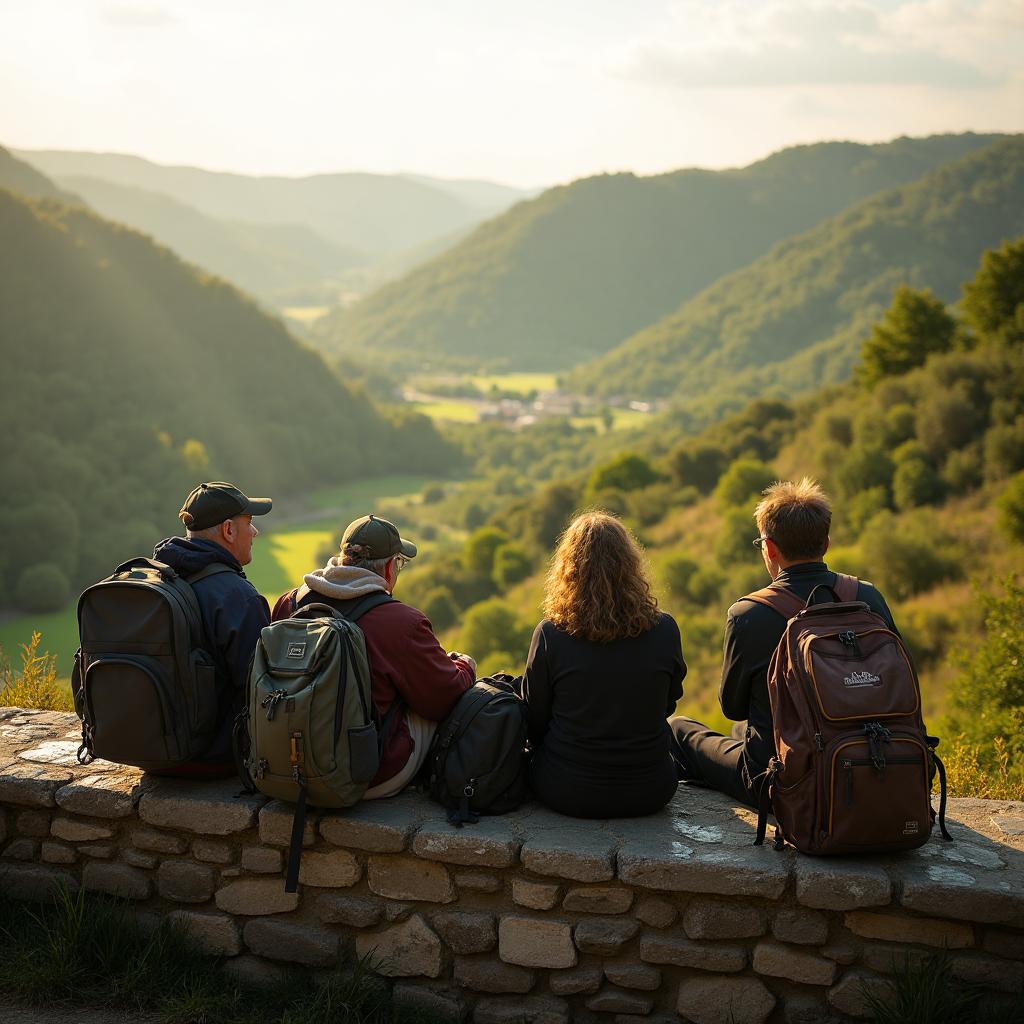
Give the last morning a little breathing room. A relaxed breakfast, familiar walking clothes and a careful check of your feet are more useful than trying to create a grand occasion. You may want to start with conversation, or you may prefer a few quiet minutes. Travelling companions do not always wake up with the same emotions, even after sharing every previous day.
There can be an urge to hurry because the destination is finally close. Resist turning the morning into a race unless a specific arrangement genuinely requires it. The final day is still part of the journey, not simply the space before the photograph. A pause for water or a moment looking back along the path can become as memorable as reaching the cathedral.
You may also notice practical worries crowding out the emotion: whether your knees will behave, where you will meet your driver, or how busy the centre will be. That is normal. Settle the details you can before setting off. Knowing your planned walking distance and meeting arrangements leaves more room to enjoy the day without expecting yourself to feel inspired at every step.
2. The last kilometres are a transition, not a perfect scene
Approaching Santiago from the Portuguese routes, the surroundings gradually become more urban. The final kilometres are not an uninterrupted corridor of woodland and countryside. Streets, buildings, crossings and everyday city life are part of the approach. Rather than spoiling the moment, this can make it feel more real: you are entering a living city, not a stage set waiting for your arrival.
The exact character of your final walk depends on where you begin that morning and how much you choose to cover. A short assisted walk has a different rhythm from a full morning on foot. Neither needs to be dressed up as something it is not. Agree on a realistic starting point, allow for breaks and remember that city walking can feel different from an open trail.
As you reach the historic centre, narrow streets and stone buildings bring a new sense of closeness. You may find yourself listening more carefully, watching other walkers or checking the route more often than expected. Keep your attention on your footing and surroundings as well as the destination. There is no need to rush the final turns just because the cathedral is almost within reach.
3. What arrival in Cathedral Square actually feels like
For many pilgrims, Praza do Obradoiro, the great square beside Santiago Cathedral’s western façade, becomes the place where the journey finally registers. The space opens out, the cathedral rises above you, and there is suddenly nowhere further you need to walk. Some people embrace immediately. Others stand still, looking up, as if their thoughts need a few extra minutes to catch up with their feet.
Tears are common enough to feel unremarkable, but they are not compulsory. You might feel delighted, hungry, tired, slightly overwhelmed or surprisingly blank. Sometimes the strongest feeling arrives later, while taking off your shoes or sending a message home. A quiet response does not mean the journey mattered less. Nor does happiness have to be solemn: laughter belongs in this square as much as reflection.
Give yourself a moment before organising everyone for photographs. Notice the weight of your day bag, the sound around you and the faces of the people you travelled with. Then take the pictures you want. If the square is busy, you may need patience rather than a perfect backdrop. Your arrival does not become less meaningful because other people are having their own important moment nearby.
4. Arriving in Holy Year 2027, or in any other year
A Compostelan Holy Year, also called a Xacobeo, occurs when 25 July, the feast of St James, falls on a Sunday. That happens in 2027. The Holy Door of Santiago Cathedral opens at midday on 31 December 2026 and remains open through 2027. For pilgrims travelling with religious intentions, this gives arrival an additional significance, alongside the personal meaning of completing their journey.
The atmosphere may also feel busier and more collective. July, August and the days around 25 July are the busiest periods; the European Youth Pilgrimage takes place in Santiago from 15–18 July 2027. Spring and autumn are generally calmer, though neither guarantees quiet streets. Hotels fill early, so booking ahead is wise, particularly if your dates or preferred accommodation tier are important to you.
In any year, reaching Santiago can be moving without depending on a particular ceremony or cathedral visit. In 2027, allow extra flexibility for crowds and avoid building the whole day around immediate access to a religious space. If seeking an indulgence is part of your pilgrimage, check the requirements with the Cathedral or Pilgrim’s Office. Your arrival in the square and your religious observances need not happen at the same moment.
5. A simple plan for your final walking day
The most helpful final-day plan is usually a modest one. Choose a distance that reflects how you feel now, rather than what you hoped to manage when you booked. Several days of travel can change your energy levels. Equally, you may feel stronger than expected. Discuss adjustments before setting off so that your walking and private car arrangements remain clear.
Carry what you need for the walking section, even when your luggage is being transported separately. Water, suitable layers and familiar foot-care supplies are sensible priorities. Keep anything essential with you rather than in a suitcase you will see later. Weather can change, and comfort is worth more than dressing for the arrival photograph.
Leave some space after reaching the square. A packed sequence of appointments can turn a meaningful arrival into another deadline. These small preparations help keep the practical side manageable:
- Confirm your walking start point, intended distance and driver meeting arrangements.
- Wear shoes you already know are comfortable, not a new pair.
- Keep water, weather protection, medication and your charged phone with you.
- Carry your pilgrim credential if collecting stamps or seeking certification.
- Plan time for rest and something to eat, without assuming immediate seating.
- Keep cathedral visits and other arrangements flexible where possible.
6. How our car-assisted Camino makes the finish more manageable
Portugal Magik’s 10-day private Camino on the Portuguese Coastal Route combines walking with private car assistance, with an itinerary including Porto, Viana do Castelo, Tui, O Porriño, Baiona, Vigo, Padrón and Santiago. It is a curated journey, not a claim to walk every kilometre continuously. The private car drops you off and picks you up so you can walk selected sections and ride the rest, including on the final day.
Choose Light walking, approximately 2–3 km daily, for a gentle pace with sightseeing by car and full assistance, suited to older travellers or people with walking limitations. Medium offers approximately 5–7 km for average walkers wanting nothing strenuous. Intense means approximately 12–15 km, typically whole mornings or longer, for regular walkers and hikers. You can change pace daily, and each person can walk a different distance.
Luggage is taken care of every day, breakfast is included daily, and accommodation is in hand-picked hotels, with 5-star boutique properties in the top tier. Comfort starts at €4,950, Premium at €5,650 and Private Deluxe at €7,250 per person, based on two guests; group discounts apply for three or more. Request a quote and tell us how you would like your last day to feel, including your preferred distance and any walking concerns.
7. After the finish: certificates, rest and letting it sink in
If the Compostela certificate matters to you, plan for its requirements before choosing an assisted itinerary. It requires the last 100 km on foot, or 200 km by bike, with two stamps a day on the final stretch. Short selected walks with car transfers do not automatically qualify. Discuss your intentions early and check with the Pilgrim’s Office rather than assuming that reaching Santiago is sufficient.
Once the practical questions are settled, let the rest of the day be human-sized. You may want to visit the cathedral, find somewhere to sit or simply shower and rest. Breakfast is included on our journey, but allow separately for other meals. Do not be surprised if your appetite for sightseeing temporarily disappears: arriving somewhere important can take energy even when the walking distance has been gentle.
Later, perhaps the next morning, Santiago may feel different again. Without the need to keep moving towards it, you can notice the city beyond your finish line. That is often when the journey settles into memory: a conversation, a difficult stretch, a companion’s kindness, the final turn into the square. Holy Year or ordinary year, you do not need a dramatic ending. You only need room to recognise that you have arrived.
Pick your walking pace
You don't need to be a hiker. Choose how much you'd like to walk each day.
Light
2–3 km a day
Short, gentle walks on the easiest stretches. The rest of the day is by private car, with sightseeing and full assistance.
Best for: Older travellers and anyone with walking limitations
Request this paceMedium
5–7 km a day
A relaxed walk of an hour or two on beautiful sections, then your driver takes you on. Nothing strenuous.
Best for: Average walkers with no walking issues
Request this paceIntense
12–15 km a day
Typically whole mornings or longer on the trail, with luggage handled and the car waiting at the end of the stage.
Best for: Regular walkers and hikers — advanced level
Request this paceDistances are approximate. Your car is private, so you can change pace day by day — and each person in your group can walk a different distance.
Walk the Camino with Portugal Magik
10 days on the Portuguese Coastal Route with private car assistance, luggage transfer and handpicked hotels.