1. Start with the Journey You Can Enjoy
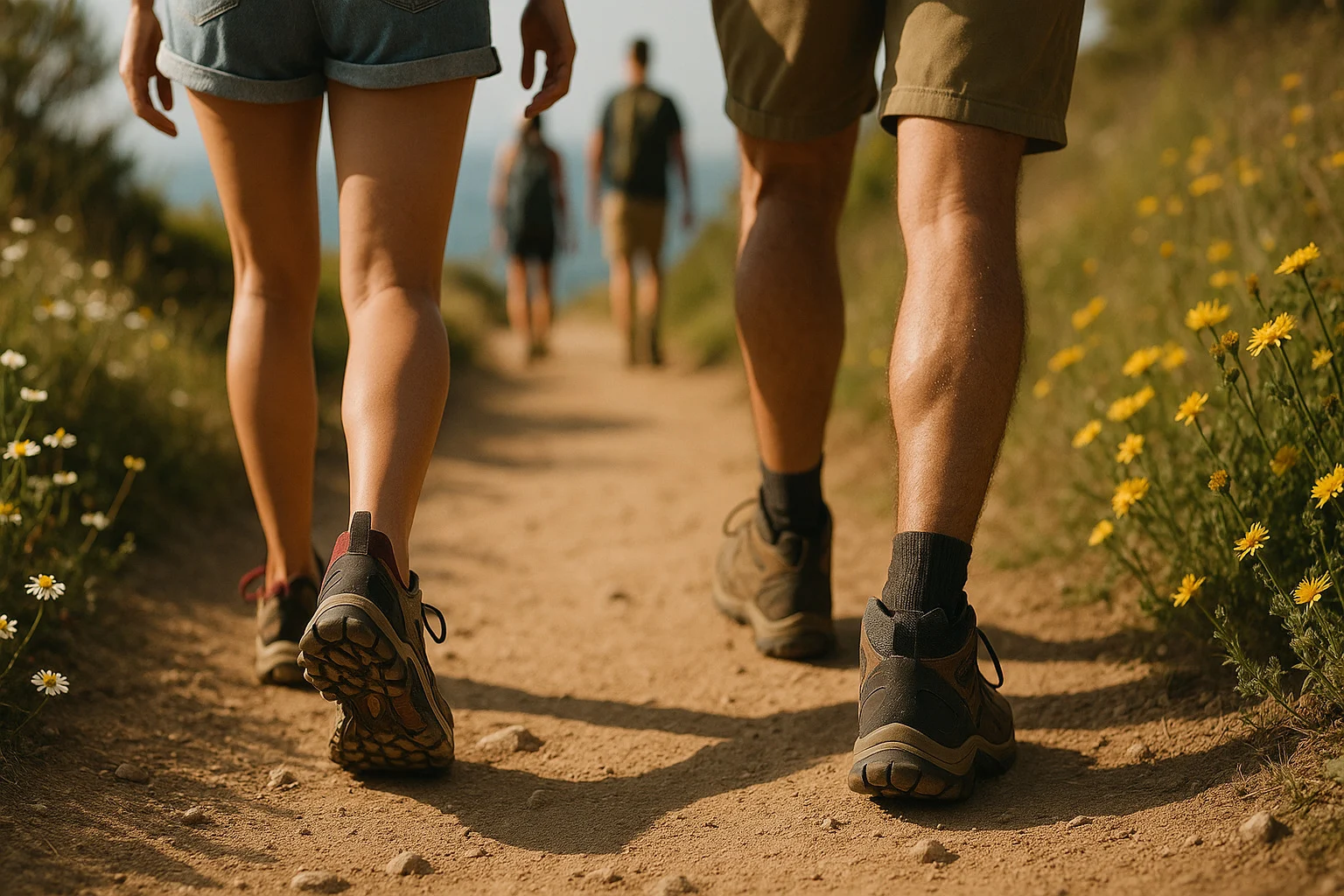
Limited mobility means different things to different travellers. You might manage a short, steady walk but find steps difficult. You might use a walking aid, tire unexpectedly, or need frequent sitting breaks. Rather than beginning with a daily kilometre target, start with what makes an outing comfortable at home. That gives the planning conversation a useful, realistic starting point.
The pilgrim spirit is not reserved for people carrying backpacks across entire countries. It can live in the intention you bring: remembering someone, marking a change in life, sharing time with a partner, or simply paying attention. Travelling partly by car does not prevent reflection, encounters with fellow pilgrims, or the satisfaction of moving towards Santiago.
There is no need to disguise your limits or turn the trip into a test. A good day might contain one enjoyable walk and an unhurried afternoon of sightseeing. Another might involve no walking section at all. If your condition makes exertion unpredictable, discuss the journey with your healthcare professional before booking, using your actual abilities rather than an optimistic estimate.
2. Choose Short, Level Walks Carefully
On the Portuguese Coastal Route, the sea provides a wonderful backdrop, but “coastal” does not automatically mean flat or accessible. Surfaces vary between paved promenades, boardwalks, cobbled streets and rougher paths. Even a short stretch may include a slope, an awkward kerb or an uneven transition. The right section depends as much on its surface as on its length.
For a gentle outing, look for a manageable stretch with a firm surface, limited gradients and practical vehicle access nearby. A waterfront walk around Porto or time beside the coast near Viana do Castelo can be appealing possibilities, subject to the specific section. Promenades and boardwalks still need checking: sand, wet boards, gaps and exposed conditions can change how comfortable they feel.
Distance alone is a poor guide to effort. Two kilometres with frequent places to pause may feel easier than a shorter cobbled lane without seating. Ask about steps, slopes, resting opportunities and the distance from the car to the start. Vehicle access is not possible everywhere, so meeting points and the ability to shorten a walk should be discussed before setting out.
3. Let the Car Open Up the Landscape
A private car makes it possible to experience more of northern Portugal and Galicia without treating every kilometre as a walking obligation. This 10-day journey includes Porto, Viana do Castelo, Tui, O Porriño, Baiona, Vigo, Padrón and Santiago. It combines coastal scenery and inland places through selected walks and road travel, rather than requiring you to follow an uninterrupted trail on foot.
Porto brings riverside views and the atmosphere of an old trading city, although its steep streets deserve careful planning. Viana do Castelo offers a different relationship with the Atlantic and the Lima River. Across the border, Tui’s historic setting above the Minho is memorable, but enjoying that setting does not have to involve tackling every climb or cobbled street.
Baiona and Vigo offer further opportunities to appreciate Galicia’s maritime character, while O Porriño and Padrón bring you into places familiar to many pilgrims travelling towards Santiago. Sightseeing by car can connect these experiences while conserving energy. It does not eliminate every transfer or short walk, however: parking restrictions, pedestrian areas and the layout of each stop still matter.
4. Plan for Comfort Before You Travel
The most useful preparation is a clear description of your everyday mobility. Tell the team how long you usually walk before resting, whether you manage stairs, and whether standing is harder than moving. Mention any walking aid or wheelchair you use. These details are practical tools for planning, not reasons to feel apologetic about asking questions.
Accommodation needs the same attention as the route. A hand-picked hotel may be welcoming and comfortable without meeting every accessibility requirement. Step-free entry, lift access, bathroom arrangements and the route to breakfast should be checked against your needs. If you require an adapted vehicle or help with transfers, establish what can be provided before committing to the trip.
Pack for comfort rather than an imagined version of a traditional pilgrim. Familiar footwear, suitable layers and the aids you already use are usually more valuable than unfamiliar equipment. Keep medication and daily essentials with you rather than in transferred luggage. A little preparation can reduce avoidable effort and leave more energy for the parts of the journey you value.
- Describe your comfortable walking time, preferred surfaces, rest needs and any difficulties with steps.
- Confirm vehicle entry, space for mobility equipment and whether any required transfer assistance is available.
- Request checks on essential hotel features; do not assume a star rating indicates accessibility.
- Discuss toilet stops, seating opportunities and realistic distances between vehicle access and sightseeing points.
- Bring familiar walking aids and footwear, and seek individual medical advice where appropriate.
5. How Our Car-Assisted Camino Keeps the Pace Flexible
Portugal Magik’s private car support drops walkers off and picks them up so they can enjoy the best sections for them and ride the rest. Luggage is taken care of every day, and breakfast is included daily. Hand-picked hotels provide a base each night, with 5-star boutique properties in the top tier. Specific accessibility requirements still need individual confirmation.
There are three approximate daily walking paces. Light is 2–3 km, a gentle option suited to older travellers or people with walking limitations, with sightseeing by car and full assistance with the touring arrangements. Medium is 5–7 km for average walkers wanting nothing strenuous. Intense is 12–15 km for regular walkers and hikers, typically taking whole mornings or longer. The car covers the rest; assistance should not be mistaken for specialist personal care.
Your pace can change day by day, and each person can walk a different distance, with meeting points coordinated around the plan. Packages start at €4,950 for Comfort, €5,650 for Premium and €7,250 for Private Deluxe, per person based on two guests; group discounts apply for three or more. Request a quote describing your mobility needs and interests, so we can discuss a realistic journey rather than simply assign a walking category.
6. Share the Pilgrim Spirit Without Chasing Distance
Some of the most memorable Camino moments happen while standing still. You might listen to footsteps passing a church doorway, exchange a greeting with another traveller, or watch the changing light over an estuary. Allowing space for these moments helps the journey feel like more than a series of transfers. Rest can be part of the experience, not an interruption.
Travelling companions do not need identical stamina to share a meaningful pilgrimage. One person may enjoy a longer morning walk while another chooses a shorter section and time sightseeing by car. With a coordinated plan, you can come together afterwards and share different impressions. Neither experience needs to become the standard against which the other person’s day is measured.
It is important, though, to distinguish personal pilgrimage from eligibility for the Compostela certificate. The Compostela requires the last 100 km on foot, or 200 km by bicycle, with two stamps a day on the final stretch. Short selected walks linked by car do not meet that walking requirement. You can still value the journey deeply, without expecting a certificate for distances travelled by vehicle.
7. Arrive in Santiago with Energy to Appreciate It
The final approach to Santiago deserves the same thoughtful pacing as the first day. Its historic centre has pedestrian areas and stone surfaces, and reaching a particular square or entrance may require walking from a vehicle drop-off point. Plan around the actual access arrangements rather than assuming the car can take you directly to every doorway.
Try not to make arrival day a race through a sightseeing checklist. Seeing the cathedral, finding somewhere to sit, and allowing the journey to settle may be enough. If entering the cathedral is important to you, check current accessibility arrangements beforehand. Religious services, visitor movement and personal stamina can all affect the experience, so leave room to adapt.
The aim is to finish with memories of places and people, not only of effort. Perhaps your Camino will be remembered through a small stretch of shoreline, a conversation in Padrón, or a shared moment in Santiago. With short walks chosen carefully, road travel used thoughtfully and limitations discussed openly, the journey can make space for curiosity, companionship and the pilgrim spirit without requiring you to push beyond your limits.
Pick your walking pace
You don't need to be a hiker. Choose how much you'd like to walk each day.
Light
2–3 km a day
Short, gentle walks on the easiest stretches. The rest of the day is by private car, with sightseeing and full assistance.
Best for: Older travellers and anyone with walking limitations
Request this paceMedium
5–7 km a day
A relaxed walk of an hour or two on beautiful sections, then your driver takes you on. Nothing strenuous.
Best for: Average walkers with no walking issues
Request this paceIntense
12–15 km a day
Typically whole mornings or longer on the trail, with luggage handled and the car waiting at the end of the stage.
Best for: Regular walkers and hikers — advanced level
Request this paceDistances are approximate. Your car is private, so you can change pace day by day — and each person in your group can walk a different distance.
Walk the Camino with Portugal Magik
10 days on the Portuguese Coastal Route with private car assistance, luggage transfer and handpicked hotels.