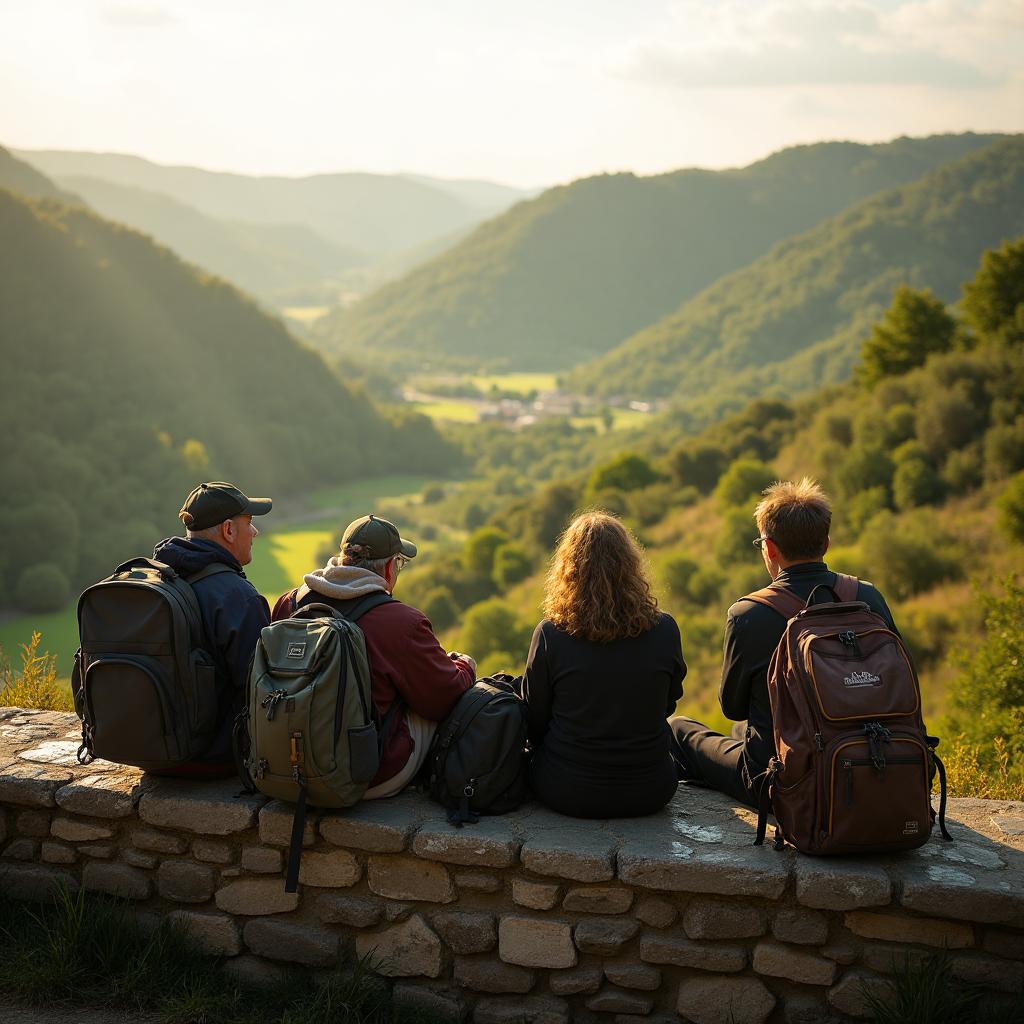
1. What Makes Holy Year 2027 Different?
A Compostelan Holy Year, also called a Xacobeo, occurs when 25 July, the feast of St James, falls on a Sunday. That happens in 2027. For many pilgrims, arriving in Santiago during this special year adds a spiritual dimension to a journey already rich in reflection, companionship and the simple pleasure of moving through a landscape on foot.
The Holy Door of Santiago Cathedral opens on 31 December 2026 and remains open throughout 2027. July is therefore not your only opportunity to experience the Holy Year. A spring or autumn journey still belongs to the same celebration, without placing your visit in the busiest summer period. If religious observance is central to your plans, check indulgence requirements directly with the Cathedral or Pilgrim’s Office.
Holy Years follow an irregular 6-5-6-11 year cycle; the previous celebration was extended across 2021–2022, and the next after 2027 is 2032. That sense of a limited opportunity encourages people to plan ahead. Our advice is to separate two questions: do you want to travel during the Holy Year, or specifically around St James’s feast day? The answer makes choosing your dates much easier.
2. Spring: A Strong Choice for a Gentler Journey
For travellers who prefer a calmer atmosphere, spring deserves serious consideration. April and May offer a different rhythm from peak summer, with fresh growth along the route and opportunities to enjoy the coastal scenery without making the July celebrations the focus. You can give equal attention to the walking, the towns and those unhurried pauses that often become a favourite part of the trip.
Spring is not a promise of dry paths or uninterrupted sunshine. Northern Portugal and Galicia can be wet, and Atlantic breezes may make a coastal stretch feel cooler than expected. Pack a waterproof outer layer, comfortable footwear and clothing you can add or remove easily. A flexible attitude helps too: some mornings call for walking, while others lend themselves better to sightseeing before trying a shorter section.
May is a useful starting point if you are balancing walking comfort with a preference for travelling before the busiest months. April may appeal if you enjoy a fresher feel and do not mind variable conditions. Neither month guarantees empty trails, and holiday periods can affect demand. Think of spring as a generally calmer choice, then check your actual dates rather than relying on the season alone.
3. July and August: Choose Them for the Atmosphere
July and August are the busiest months to keep in mind for Holy Year 2027, particularly the days around 25 July. For some travellers, that is part of the attraction. Meeting fellow pilgrims, seeing Santiago alive with arrivals and sharing a meaningful date can make the journey feel especially memorable. If that collective atmosphere matters to you, summer may be worth the additional planning.
There is another important date in July: the European Youth Pilgrimage takes place in Santiago from 15–18 July 2027. Consider those dates alongside the feast of St James on Sunday 25 July when planning your arrival. Even if your walking begins in Portugal, your Santiago stay deserves early attention. Looking at the whole 10-day journey, rather than only your departure date, helps you understand which busy periods you will encounter.
Summer also calls for realistic expectations about walking in warmer conditions. Exposed stretches can feel demanding, and nobody can promise a cooling breeze when you need one. Earlier walks, sensible breaks and shorter distances may suit you better than a fixed mileage target. August remains a busy option even after the July celebrations, so it should not be treated as an automatic escape from peak-season demand.
4. Autumn and June: Alternatives Worth Considering
September and October are appealing alternatives if you want a Holy Year journey with a generally calmer feel than July and August. There is still time to arrive in Santiago during the celebration, but less reason to organise your itinerary around the main July dates. For travellers interested in scenery, local history and a comfortable walking rhythm, autumn can offer a satisfying balance.
September is a good month to discuss first if you would like an autumn departure, although warm days and rain are both possible. October brings shorter daylight hours and a stronger reason to keep plans adaptable. Neither month guarantees solitude or settled weather. The practical question is whether you are happy to carry layers, accept a change of plan and let the conditions influence how far you walk.
June is another option for travellers whose schedules fall between spring and the peak summer months. It places your journey before the July events, though you should still expect fellow pilgrims and plan accommodation ahead. Rather than naming one universally best month, we would usually shortlist May and September for this kind of trip, then compare April, June or October against your personal priorities and available dates.
5. Why Booking Early Matters—and What to Decide First
During a Holy Year, hotels fill early, and the challenge is not simply finding a room in Santiago. A touring itinerary needs suitable accommodation across several stops, with dates that work together. Booking ahead gives more scope to build a coherent journey instead of shaping each day around whatever remains. It cannot guarantee your first choice, but it makes thoughtful planning easier.
This matters particularly if you have firm travel dates, specific room needs or a preference for a higher hotel tier. Travelling companions may also need time to coordinate holidays and flights. Before committing to transport, discuss the itinerary and accommodation arrangements. A little flexibility in your departure date can be useful when assembling a trip during a year of heightened demand.
You do not need to settle every walking detail before making an enquiry. Start with the decisions that affect the structure of the trip, then refine the daily pace. The following checklist is a practical way to turn a broad wish to walk in 2027 into a plan that can be assessed properly.
- Choose a preferred month and, if possible, one alternative date window.
- Decide whether to include or avoid Santiago on 15–18 July and around 25 July.
- Share your group size, room preferences and preferred accommodation tier.
- Explain walking limitations and the daily distances each person finds comfortable.
- Say whether earning the Compostela is essential before agreeing on a car-assisted itinerary.
6. How Our Private Car-Assisted Camino Helps
Portugal Magik’s 10-day private journey follows a Portuguese Coastal Route itinerary linking Porto, Viana do Castelo, Tui, O Porriño, Baiona, Vigo, Padrón and Santiago. Private car support drops you off and picks you up so you can walk selected highlights and ride the rest. That flexibility is helpful when choosing between a cool spring morning, a warmer summer day or an autumn forecast that encourages a shorter outing.
You can choose Light walking of approximately 2–3 km daily: gentle sections with sightseeing by car and full assistance, suited to older travellers or people with walking limitations. Medium offers approximately 5–7 km for average walkers who want nothing strenuous. Intense covers approximately 12–15 km for regular walkers and hikers, typically taking whole mornings or longer. Pace can change day by day, and each person can walk a different distance.
Luggage is taken care of every day, daily breakfast is included, and accommodation is in hand-picked hotels, with 5-star boutique properties in the top tier. Packages start at €4,950 for Comfort, €5,650 for Premium and €7,250 for Private Deluxe, per person based on two guests; group discounts apply for three or more. Request a quote with your preferred 2027 dates and walking preferences. We can help you weigh the seasonal choices without asking everyone to follow the same pace.
7. Choose Your Month Around the Journey You Want
One important distinction deserves attention before you book: experiencing the Camino is not the same as qualifying for the Compostela. The certificate requires completing the last 100 km on foot, or 200 km by bicycle, with two stamps a day on the final stretch. A selective, car-assisted walking itinerary should not be assumed to meet those requirements. Explain your certificate goals at the outset rather than leaving that conversation until Santiago.
For a calmer trip, begin by considering spring or autumn. For the strongest connection to the July celebrations, choose summer knowingly and organise the details early. Private car assistance can reduce the pressure of daily distances and luggage, but it cannot remove crowds, guarantee weather or create hotel availability. Its value lies in giving you more ways to enjoy the day you actually have.
Ultimately, the best month is the one that allows you to arrive with realistic expectations and room to appreciate the journey. That might mean a short coastal walk in May, a shared summer arrival among other pilgrims, or an autumn morning followed by sightseeing from the car. Choose your atmosphere first, plan your accommodation early and let your walking pace fit you—not the other way around.
Pick your walking pace
You don't need to be a hiker. Choose how much you'd like to walk each day.
Light
2–3 km a day
Short, gentle walks on the easiest stretches. The rest of the day is by private car, with sightseeing and full assistance.
Best for: Older travellers and anyone with walking limitations
Request this paceMedium
5–7 km a day
A relaxed walk of an hour or two on beautiful sections, then your driver takes you on. Nothing strenuous.
Best for: Average walkers with no walking issues
Request this paceIntense
12–15 km a day
Typically whole mornings or longer on the trail, with luggage handled and the car waiting at the end of the stage.
Best for: Regular walkers and hikers — advanced level
Request this paceDistances are approximate. Your car is private, so you can change pace day by day — and each person in your group can walk a different distance.
Walk the Camino with Portugal Magik
10 days on the Portuguese Coastal Route with private car assistance, luggage transfer and handpicked hotels.